
Seeking a Diagnosis or Assessment?
You Are in the Right Place.
You know your child better than anyone. And if you’re asking yourself whether their development looks different from others, take a deep breath. Noticing developmental differences and navigating uncertainty can feel overwhelming, but seeking clear answers is the best path forward for a loving, proactive parent.
Know That You Belong
At Monarch House, you don't need to have everything figured out before you reach out. We offer a safe, neurodiversity-affirming space where your child is accepted exactly as they are, and your family is fully supported from day one. You are not alone, and you don't have to navigate this journey by yourself anymore. There is no such thing as a "dumb question."

Complimentary Developmental Screening: Peace of Mind Starts Here
When you aren't sure whether you need a full assessment, a Developmental Screening offers a low-pressure, supportive first step.
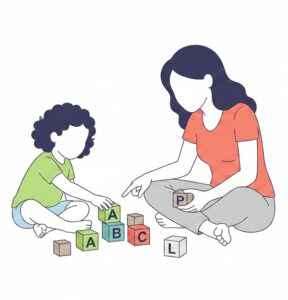
What is if for
This screening helps evaluate where your child is meeting developmental milestones across speech, communication, motor skills, and social engagement, giving you immediate clarity on whether further clinical evaluation is recommended.
What the process looks like
In a playful, welcoming environment, a clinician observes your child while they engage in gentle, age-appropriate activities and talks through your everyday observations at home.
No cost to your family
Our initial Developmental Screening is free. We offer this at no cost because every parent in British Columbia deserves clear answers and peace of mind without financial strain.
Comprehensive Autism Diagnostic Assessment: A Clear Roadmap
If screening or early indicators suggest autism or other developmental differences, a formal Diagnostic Assessment provides a clear, reliable evaluation and official diagnosis.
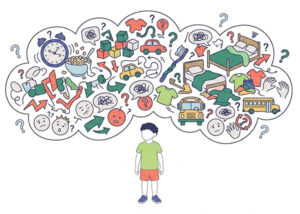
What it is for
An official assessment moves your family away from guesswork. It identifies your child’s unique neurological profile, strengths, and support needs, unlocking access to provincial funding through the BC Autism Funding Unit (AFU), specialized school accommodations (IEPs), and targeted clinical therapy.
What the process looks like at Monarch House
We reject the transactional "assess-and-dismiss" model. Conducted by an interdisciplinary team - including Registered Psychologists, Speech-Language Pathologists, and Occupational Therapists - our science-backed assessment combines direct clinical observation with detailed parent interviews to build a complete, compassionate picture of your child.
The outcome
You receive a comprehensive diagnostic report paired with an actionable, step-by-step roadmap tailored specifically to your family's daily life in BC.
The Importance of Early Action & Immediate Support
Neurological research confirms that developmental differences and autism can be reliably identified by age 2, with clear markers visible as early as 12 months. This early window matters because neuroplasticity, the brain's ability to adapt and form new connections, peaks in early childhood.
Why Waiting Compounds Challenges
A "watch and wait" approach can delay access to vital support during the years when your child’s brain is most adaptable. Without early identification and accommodations, communication barriers and sensory overload often lead to intense frustration, missed milestones, and preventable burnout for both child and parent.
Action Now Pays Dividends in Their Future
Early Intervention
- Guides early brain development, leading to stronger functional communication, social connection, and cognitive flexibility.
- Builds emotional regulation tools that prevent later-stage anxiety, depression, and sensory burnout.
- Introduces Augmentative and Alternative Communication (AAC), significantly reducing frustration-based meltdowns and withdrawal.
- Empowers parents - reducing daily household stress and restoring family harmony.
- Starts the clock for BC provincial funding and specialized educational supports.
Navigating BC Public Wait Times (BCAAN)
In British Columbia, the public waitlist for an assessment through the BC Autism Assessment Network (BCAAN) can often stretch from 18 to 36 months. A private evaluation through Monarch House eliminates these systemic delays, letting your family access the BC Autism Funding Unit (AFU) immediately instead of losing years on a waiting list.
Free Support & Resources While You Explore Options
Your child’s development cannot afford to pause while waiting for funding or appointments. That is why we built Monarch Essentials - Canada’s largest library of free, expert-led articles, visual schedules, video guides, and checklists. Remember, every action you take today pays dividends in your child’s and entire family’s future. We want you to feel informed, empowered and in control while you wait for the funding system to run its course.

Navigating BC Autism Funding (AFU) & Provincial Support
Understanding British Columbia's funding framework can feel administrative, but securing an official diagnosis is the key to unlocking vital financial support.
Here is how the process works in BC:
Obtain an Official Diagnosis
Secure a formal diagnostic report completed by qualified BC clinical professionals (such as a Registered Psychologist or Paediatrician) following BC's clinical diagnostic standards (non-BCAAN private diagnosis or BCAAN public diagnosis).
Apply to the BC Autism Funding Unit (AFU)
Submit your child's official diagnostic documentation to the provincial Autism Funding Branch to activate your funding account.
- - Under Age 6: Up to $22,000 per year to cover eligible autism intervention services, including SLP, OT, and RASP-approved behaviour plans.
- - Ages 6 to 18: Up to $6,000 per year to support out-of-school intervention, therapies, and specialized equipment.
Select RASP-Approved Clinicians
Access therapy through professionals listed on the Registry of Autism Service Providers (RASP). Monarch House’s BC team includes fully qualified, RASP-approved BCBAs, SLPs, and OTs.
Utilize Extended Health & Private Insurance
Many families combine BC Autism Funding with private extended health benefits to maximize their child’s total hours of care.
Connect with Monarch House Care Coordination
If you need help filling out AFU funding forms, navigating portal submissions, or understanding your coverage, our BC Care Coordination Team is available to guide you through every step.

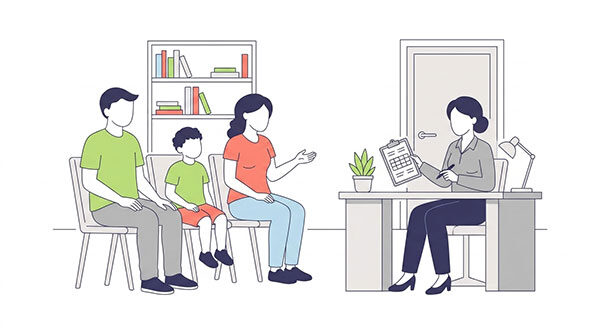
Understanding Developmental Differences: Answers for Families Seeking Guidance
Navigating early developmental signs can feel daunting, and it is natural to have questions before booking a formal screening. Below, our BC clinical team answers common questions parents ask as they explore whether their child may be neurodivergent or on the autism spectrum.
Spotting the Early Signs & Understanding the Spectrum
What are the earliest indicators that my child might be neurodivergent or on the spectrum?
Early indicators often focus on social communication and sensory processing. You might notice your child making limited eye contact, not responding consistently to their name by 12 to 18 months, or showing less interest in shared enjoyment (such as pointing to show you a toy). Other signs include speech delays, repetitive movements (like hand-flapping), or intense focus on specific objects.
My child makes eye contact and is very affectionate - could they still be autistic or neurodivergent?
Yes. Every child presents uniquely. Many neurodivergent and autistic children are deeply affectionate, enjoy cuddles, and maintain eye contact with parents. Monarch House’s comprehensive evaluation considers the full picture of communication styles, sensory processing, and social dynamics rather than relying on a single trait.
What is the difference between a speech delay and autism?
A primary speech delay affects spoken language production or processing, while non-verbal communication, such as gestures, pointing, facial expressions, and emotional engagement, often remains intact. Autism involves broader differences in social communication, sensory processing, and repetitive patterns or focused interests.
Why does my child get so overwhelmed in busy, loud, or bright places?
Many neurodivergent children process sensory input intensely. Hyper-reactivity to everyday sounds, lights, or crowds can feel physically overwhelming or painful, leading to sensory overload and emotional meltdowns.
What are "stimming" behaviours, and why does my child do them?
"Stimming" refers to self-stimulatory behaviours, such as hand-flapping, rocking, spinning, or repeating specific sounds. These actions serve vital self-regulatory functions - helping soothe anxiety, process intense sensory input, express joy, or regain focus when overwhelmed.
Why does my child play differently from other children their age?
Neurodivergent children often explore toys in unique ways. Instead of traditional pretend play, your child might line up objects by colour or size, spin a toy car's wheels repeatedly, or focus closely on specific textures. This style of play is comforting, predictable, and deeply engaging.
What is "masking," and why does my child act differently at preschool than at home?
Masking occurs when a child suppresses their natural neurodivergent traits, like holding back stims or forcing eye contact, to fit into neurotypical environments. Children expend immense cognitive energy masking at preschool or school, often resulting in emotional fatigue and meltdowns once they return to the safety of home.
Is a regression in skills common?
Yes, some children experience a skill regression, typically between 15 and 24 months, where previously acquired words or social gestures gradually decrease. If you notice any loss of speech, motor skills, or social engagement, we recommend seeking a developmental evaluation promptly.
We feel overwhelmed. How do we manage the emotional impact as parents?
Experiencing anxiety, grief, or confusion is completely normal when navigating developmental concerns. Seeking answers is an act of deep love and care. Connecting with neurodiversity-affirming professionals and taking things step by step will build your confidence as your child's advocate.
How do I explain my child's differences to friends and family?
Frame your child's needs through understanding, not deficit. Explain that your child processes sights, sounds, and social information in their own unique way, and share specific strategies that help them feel safe (e.g., "They feel more comfortable when we let them greet guests at their own pace without pressure for immediate hugs").
What can I do today at home to ease daily friction?
Establish clear predictability. Introduce simple visual schedules for morning and bedtime routines, create a quiet sensory space where your child can decompress without demands, and offer two clear choices at mealtimes to prevent decision fatigue.
Dispelling Myths About Diagnosis & Neurodiversity
Does a diagnosis mean my child won't live an independent life?
No. A diagnosis simply provides a clear map to understand how your child’s brain works. Autistic and neurodivergent individuals possess incredible strengths. Tailored early support builds communication, self-regulation, and daily life skills that foster lifelong independence and autonomy. A diagnosis opens doors to funding and support - it never sets a ceiling on what your child can achieve.
What is the difference between a meltdown and a tantrum?
A tantrum is goal-directed behaviour aimed at getting a specific outcome (like wanting a toy) and stops once the goal is reached or abandoned. A meltdown is an involuntary neurological response to severe sensory or emotional overload. During a meltdown, a child loses emotional control and needs a safe, calm environment to recover.
Will my child simply "outgrow" their developmental differences?
Neurodivergence is a lifelong developmental profile, not something a child outgrows. However, with evidence-based support tailored to their profile, children adapt, build essential communication tools, learn self-regulation, and thrive as they mature.
My child is extremely bright and knows all the letters and numbers - could they still be autistic?
Yes. High cognitive capacity or early academic skills (such as hyperlexia - reading at a remarkably young age) frequently co-occur with autism. Autistic children may excel in pattern recognition and memory while still needing support with sensory processing, social communication, or emotional regulation.
Is it better to "wait and see" if my child catches up naturally?
No. Do not wait. The "wait and see" approach risks losing critical development during peak brain plasticity. Early action allows families to reduce daily friction, prevent chronic frustration, and support essential milestones sooner.
Can we start helping our child before receiving a formal diagnosis?
Yes! You do not need to wait for a formal diagnostic report to start supporting your child. You can start immediately by introducing visual schedules, creating sensory-friendly home spaces, and accessing private speech or occupational therapy. Free resources like Monarch Essentials offer practical tools you can use at home today.
What happens if the assessment shows my child is not autistic?
The evaluation gathers rich developmental data regarding your child's speech, motor, and cognitive profile. Even if your child does not meet the criteria for autism, the assessment identifies their strengths and developmental needs and points your family toward appropriate speech, OT, or counselling supports.